November 22, 2026
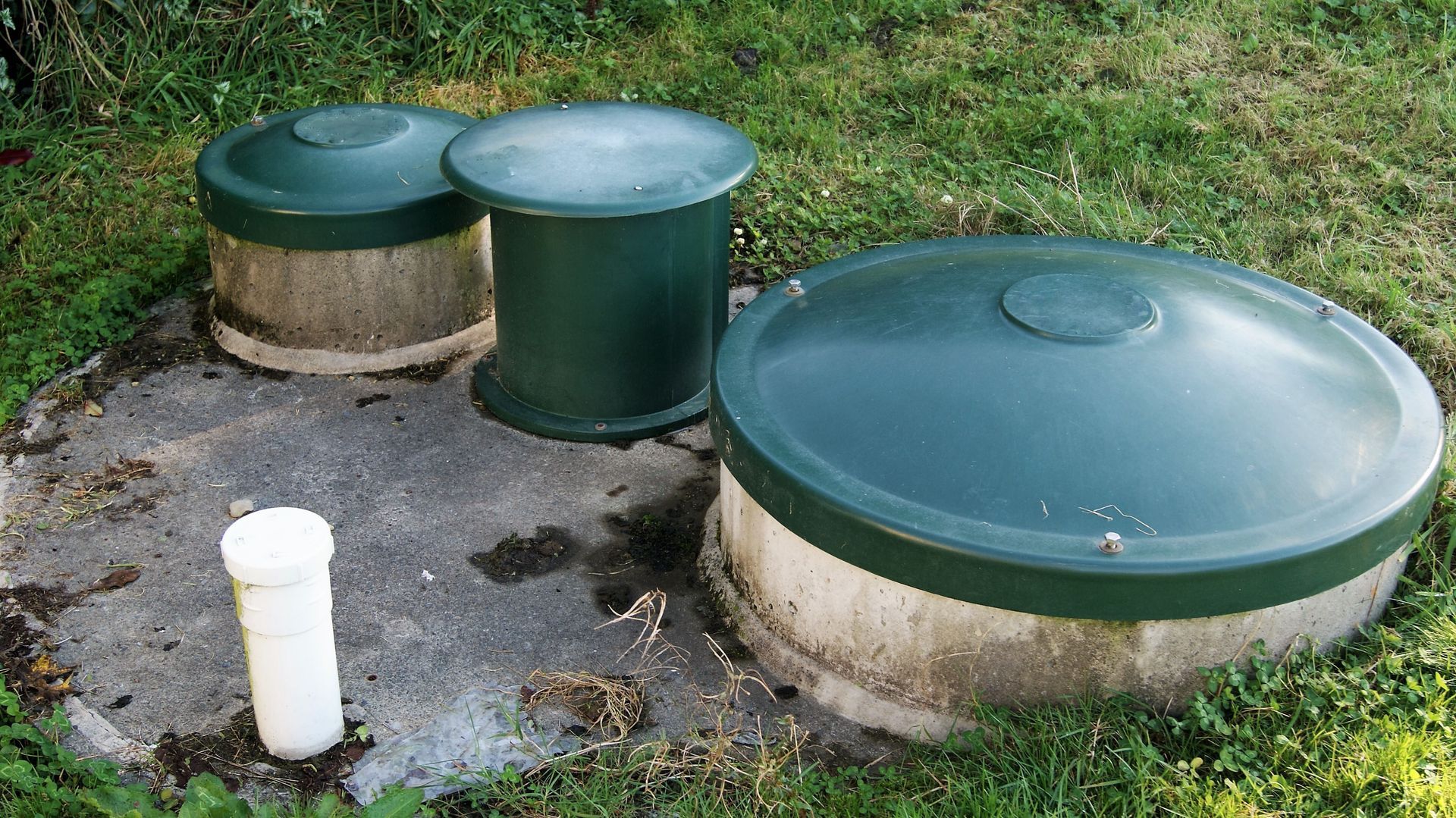
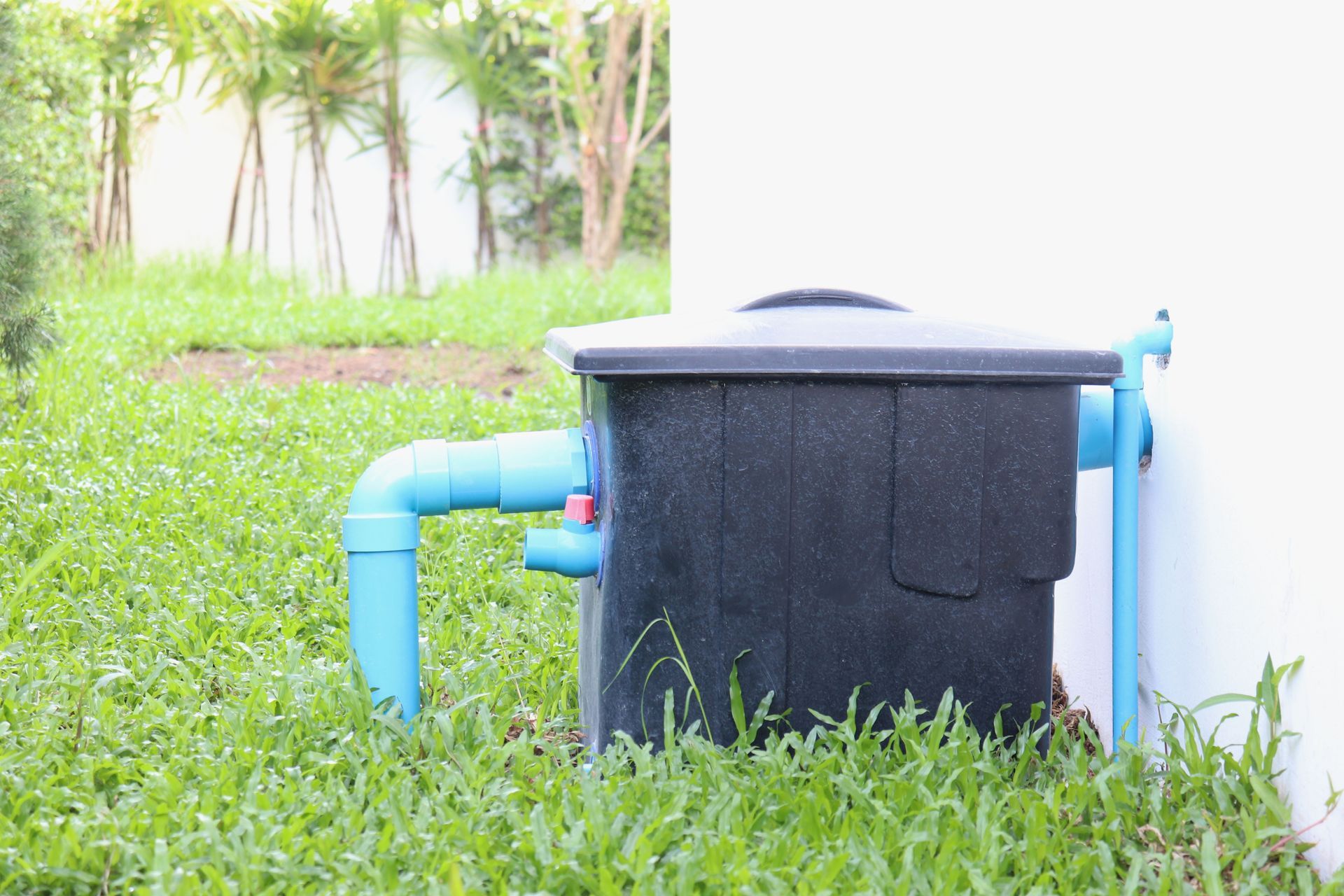
A septic system plays a critical role in managing waste for homes that are not connected to municipal sewage systems. Therefore, regular inspections are vital to ensure the system is functioning efficiently and to avoid costly repairs down the line. This article aims to provide homeowners with an in-depth understanding of what to expect during a septic system inspection, highlighting its importance and the processes involved.
Homeowners often overlook the need for septic system inspections, yet these play a pivotal role in maintaining property health and environmental safety. Septic system inspections offer peace of mind by ensuring that wastewater is being treated appropriately, safeguarding both the household and the surrounding ecosystem. Through this article, we aim to educate homeowners on the importance and process of septic system inspections.
Septic System Inspection Basics
Types of Inspections
There are several types of inspections, each serving unique purposes and varying in depth. A visual inspection is the most basic, involving a simple walkthrough to check the system's visible parts, often used during home sales. Full inspections, however, provide a detailed examination, including checking sludge and scum layers, testing system components, and evaluating the drainfield. Pumping inspections specifically involve removing built-up sludge and scum to prevent system overload. According to the EPA, a septic tank should be pumped if 25% or more of the liquid is scum and sludge, making this type of inspection particularly important.
Who Performs Inspections?
Certified inspectors who are knowledgeable about septic systems typically conduct these inspections. They often hold special certifications or licenses, ensuring they understand the complexities of different septic system types. Regulatory bodies, such as local health departments, may also set inspection standards and guidelines to be followed by these inspectors. Homeowners need to ensure they hire qualified professionals who adhere to these guidelines, as improper inspections can lead to missed issues and further complications. When scheduling an inspection, it's wise to verify the credentials and reputation of the inspector or company.
Inspection Day Procedures
Arrival and Initial Assessment
Upon arrival, the inspector will typically conduct an initial assessment of the property and septic system conditions. This stage involves confirming component locations, reviewing documentation provided by the homeowner, and planning the inspection steps. They might begin by evaluating the immediate area of the tank and drainfield for visual signs of trouble. Having clear access and prior knowledge of system details streamlines this process, allowing for a swift commencement of the detailed inspection phase. First impressions often set the course for the entire inspection, making the initial assessment a key step.
System Component Evaluation
After the initial assessment, the inspector carries out a detailed evaluation of each component of the septic system. This process involves checking the tank, distribution boxes, filters, and drainfield for functionality and signs of wear or damage. Even minor issues are noted as they could evolve into larger problems if left unaddressed. Methodical assessment of each component ensures that no aspect of the system is overlooked.
Performance Testing
Performance testing is a crucial component of the inspection process, aimed at verifying the system's operational efficiency. Tests may involve flushing toilets, running faucets, or utilizing dye tests to trace water flow and identify blockages or inefficiencies. The inspector checks for uniform distribution in the drainfield, observing how water is absorbed. These tests help diagnose hidden issues that may escape visual inspection, providing a comprehensive understanding of the system's health. Performance evaluations are invaluable in pinpointing necessary repairs or maintenance actions, ensuring optimal system function.
Identifying Red Flags
During the inspection, inspectors are vigilant for red flags that indicate potential concerns within the septic system. Common issues include saturated soil in the drainfield, broken or missing components, or unusual odors emanating from the tank area. They also watch for signs of backups, such as water pooling at surface levels or in unexpected areas around the home. Identifying these warning signs early can prevent significant damage and possible system failure, safeguarding both property and health. Awareness of these indicators ensures timely intervention, reducing the risk of costly repairs.
Inspector's Tools and Technology
Inspectors utilize various tools and advanced technologies to conduct thorough and efficient evaluations. These may include cameras for visual inspections of pipes, electronic measuring devices to assess sludge levels accurately, and dye testers to track water flow. Leak detection equipment can also help pinpoint hidden issues otherwise difficult to detect. Adopting technology enhances the precision and reliability of inspections, offering homeowners a more accurate diagnosis. The strategic use of tools and technology ensures a comprehensive assessment and improves the overall quality of the inspection.
Inspection Findings
Interpreting the Report
Following the inspection, homeowners will receive a detailed report outlining the findings and recommendations. This document includes specifics on the state of each component, noting areas that require immediate attention versus those to monitor for future maintenance. Understanding the report is crucial for making informed decisions on next steps, whether it involves repairs, adjustments, or routine maintenance. Clear interpretation facilitates effective communication with repair professionals and potential cost estimation for the suggested work. A comprehensive report serves as a guide in maintaining the septic system's integrity long-term.
Common Issues and Solutions
Inspections often reveal common issues such as clogged pipes, overloaded tanks, or malfunctioning pumps, each with distinct solutions. Clogs typically require mechanical removal or flushing, while overloaded tanks necessitate prompt pumping to restore balance. Damaged components like baffles or pumps may demand repair or replacement, depending on severity and age. Addressing these problems promptly minimizes risk of escalation and mitigates potential damage to the larger system. Familiarity with these issues and solutions equips homeowners with knowledge to manage aspects of the process efficiently.
Consulting with Professionals
In many cases, addressing inspection findings may require the expertise of septic system professionals. Complex issues involving electrical components, advanced diagnostics, or system replacements are best handled by qualified technicians. Consulting with professionals ensures repairs are conducted properly, adhering to regulatory standards and preventing future problems. Selecting trustworthy providers with verifiable credentials and positive reviews is recommended to safeguard investment in repairs. Professional collaboration facilitates high-quality system maintenance and enhances long-term performance.
Prioritizing Repairs
Homeowners should use inspection findings to prioritize repairs based on urgency and impact on system health. Immediate action is necessary when dealing with issues that pose significant risks, such as untreated septic leaks or electrical faults. Some findings, like minor wear on non-critical components, may be scheduled into regular maintenance planning rather than immediate repair. Ranking repair priorities allows for efficient resource allocation, ensuring critical needs are met while managing longer-term financial planning. Thoughtful prioritization optimizes septic system maintenance, balancing efficiency with economy.
Ensuring Compliance
Post-inspection, ensuring compliance with local regulations and health standards is an essential step for septic system management. Compliance not only protects the household but also upholds environmental safety standards, maintaining ecosystem integrity around the property. Regulations might dictate specific repair processes, allowable materials, or even the frequency of required inspections and maintenance work. Homeowners should verify that both their systems and any contractors engaged follow these regulations, avoiding potential penalties or operational risks. Compliant management practices foster environmental stewardship and system longevity.
Septic system inspections are an indispensable part of maintaining a healthy and efficient wastewater management system. Ignoring the health of your septic system can result in unpleasant surprises, such as foul odors, slow drains, or system failures. Regular inspections help in identifying problems early on, thereby preventing inconvenience and damage to your property. For a smooth inspection experience, it's crucial to understand the procedures, prepare accordingly, and know how to address any findings efficiently. If you're looking for a company that provides reliable septic system inspections, reach out to Mayes Septic & Port-A-Pots today!